If you drive a late‑model car around Greenville, odds are your windshield does more than block wind and bugs. It hosts the eyes and ears of your driver‑assist features: a forward‑facing camera for lane keeping, radar behind the emblem, rain and light sensors, sometimes even infrared heaters for defrosting around the camera. When that glass gets replaced or a sensor gets bumped out of spec, those systems do not guess their way back into accuracy. They need calibration. Skipping it turns clever safety tech into a nervous passenger that tugs the wheel at the wrong time or stays silent when you need it most.
I’ve stood in the service bay after a windshield replacement Greenville drivers scheduled for a simple chip that spidered into a crack overnight. We set the new glass, torqued the mirror bracket to spec, and the lane assist warning lit up like a Christmas tree. Nothing “broke.” The camera’s horizon shifted a few millimeters, enough to turn lane markings into a blurry suggestion. Thirty minutes later, after a proper ADAS calibration windshield Greenville procedure, the same road that confused the car looked perfectly normal to the system again. That is how sensitive these components are.
What ADAS really relies on, and why the windshield matters
Advanced Driver Assistance Systems lean on a network of sensors. The star in question for most calibrations lives behind the windshield: a forward camera that reads lane stripes, road edges, speed signs, and the brake lights ahead. That camera sees through a small window in the glass, often with a black ceramic frit around it to control stray light and glare. Automakers design the camera’s focal distance, mounting angle, and the glass optics as a matched set. Replace one with a generic equivalent that is off by a degree, and the software can no longer reconcile the image with its expected geometry.
Greenville roads supply their own test track conditions, from Highway 123’s speed changes to the patchwork resurfacing on Pleasantburg Drive. On bright days, glare off fresh thermoplastic stripes can confuse a camera, and on rainy evenings the lane edges smear into reflections. When the windshield is correct and the camera is aligned, the system compensates. When either is off, it misreads the world.
If you’ve opted for mobile auto glass Greenville service, a qualified tech will pay attention to the opening around the camera mount, the thickness of the acoustic interlayer, and the correct bracket. The wrong bracket can tilt the camera by what feels like nothing to the eye yet translates into feet of error at highway distances.
When calibration is required, and when it is not
Calibration is not a scare tactic or an upsell. It is a software‑guided process the vehicle manufacturer specifies any time the position or field of view of a sensor might have changed. Here are the common triggers we actually see:
- Windshield replacement Greenville wide, no matter how careful the installation. If the glass comes out, expect calibration after it goes back in. A camera or bracket replacement. Even swapping a damaged mirror mount calls for alignment verification. Ride height changes. A new set of springs, a loaded cargo area, or a lift kit shifts the camera’s pitch. Collision repairs or alignment work. If the thrust angle of the vehicle changes, the camera’s idea of straight ahead needs to be relearned. Diagnostic trouble codes, warning lights, or erratic lane assist behavior after a pothole hit. The camera’s internal gyros and the system’s learned parameters can drift after a hard jolt.
On the other hand, a quick windshield repair Greenville drivers request for a small chip or star break, handled before it spreads, usually does not require calibration. The glass stays in place, the camera’s view does not change, and the system carries on. The edge case is a repair inside the camera’s viewing window. If a distortion lingers right where the camera interprets lane lines, you may still need to recalibrate or replace the glass. We take that on a case‑by‑case basis with a quick test drive and scan.
Static vs. dynamic calibration, and how the car “learns”
Most vehicles ask for one of two methods, sometimes both.
Static calibration happens in a controlled space. We position the car on a level floor, measure ride height, set tire pressures, center the steering, and place target boards at precise distances and heights. The scan tool talks the camera through a recognition process. The system locks onto patterns at fixed points, compares them to known geometry, and sets its internal angle and scale. Static work is fussy. A tape measure and a keen eye matter. On some models from Toyota, Honda, or Subaru, we might spend more time laying out targets than running the actual software.
Dynamic calibration happens on the road. The scan tool tells the camera to learn using real lane lines at given speeds and conditions. It wants clean markings, no heavy rain, no direct glare, and steady speed for a stretch. Around Greenville, I favor the stretch on I‑385 between Roper Mountain and Woodruff for a mid‑morning run. It usually gives predictable traffic and decent lines. Get it wrong, and the system cancels learning halfway. Get it right, and within 10 to 30 minutes the camera confirms its alignment.
Some vehicles require both steps. European brands often pair a static setup with a brief drive. If you’ve ever wondered why we sometimes schedule a windshield calibration at a specific time of day, that is why. The car needs the right light and traffic to learn well.
The stakes are more than a warning light
A misaligned camera can do more than flash an icon. You can feel it. Lane centering will hug a line instead of the middle. A warning will arrive late on a sweeping exit ramp. Adaptive cruise can surge after cresting a hill because the camera misjudged the horizon. The numbers are small, the risk is not. At 60 mph, a one‑degree aim error shifts the perceived lane center almost a foot at 60 feet ahead. That is enough to unsettle the steering and erode trust.
I remember a customer from Five Forks with a mid‑size SUV that had a bargain windshield installed out of town. The glass looked fine. On the test drive, the lane keep tried to steer against the crown of the road, gently but insistently. We pulled the trim and found the mirror bracket was 2 mm low and a hair rotated. We installed the correct glass, ran the static board setup, then a dynamic drive down Butler Road. The behavior disappeared, and the customer stopped wrestling the wheel on inclines.
Choosing the right glass and the right team
“Cheap windshield replacement Greenville” is a phrase that keeps search engines busy. I get the appeal of saving money on a big sheet of glass. But “cheap” often hides a mismatch. Not all aftermarket glass is equal. There is excellent aftermarket from reputable manufacturers that meet optical distortion standards and come with the right bracket. There is also look‑alike glass with slight lensing in the sensor area or the wrong frit pattern. The human eye forgives that; the camera does not.
If you have insurance windshield replacement Greenville coverage, your policy may allow OEM glass or a high‑grade equivalent. Sometimes the difference out‑of‑pocket is small. If you drive a vehicle with a more sensitive system, like Subaru EyeSight or some newer Honda Sensing models, OEM glass can save you time and repeat calibrations. We verify part numbers by VIN, not guesswork. That habit pays off.
Mobile windshield repair Greenville services can be the right call for chips and small cracks away from the camera area. For full replacements with ADAS, mobile is possible if the team brings the right fixtures and targets, and has a flat space to set up. I have calibrated many cars in a client’s warehouse bay or a level driveway. The keys are power, space, weather, and patience. Outdoor static work on a windy day risks target movement and reflection. When in doubt, we bring the car to the shop and use a controlled bay.
What we check before starting calibration
Before a single target goes up, we prep the vehicle. Small misses here cause big frustration later.
- Tire pressures and ride height within spec. A low rear tire tilts the camera up and out of range. Steering centered and wheel angle sensor zeroed. If the car thinks straight is half a degree left, the camera learns a bias. Windshield mounting cured. Urethane needs time. Calibrating too soon risks a slight shift as the adhesive settles. Clean glass and camera window. A haze of install residue can degrade pattern recognition. No DTCs in related modules. A radar misalignment or ABS fault can cancel calibration mid‑stream on some platforms.
Those five minutes of housekeeping save half an hour of retry. If a code is present from a prior collision, we fix that first. Many manufacturers require all related systems to be healthy before the camera will learn.
A local road map: where dynamic calibration goes smoothly around Greenville
Greenville presents a mix of lanes and light. For dynamic calibrations, I favor a few routes. The morning window between school traffic and lunch hour works best.
I‑85 can be too crowded for a steady 45 to 60 mph run, but I‑385 from Haywood to Woodruff often gives a clean stretch. There is enough lane paint contrast and consistent curvature. The Swamp Rabbit corridor roads have shaded segments that can trip up the camera on some cars, so I avoid them unless the software asks for varied lighting.
If rain is light and steady, some systems will still calibrate. Heavy rain or spray from trucks kills the session. If we are forced to stop mid‑learn, we simply reschedule the drive window. No sense in teaching the car on auto glass replacement Greenville bad data.
After the beep: verifying that the car behaves
The scan tool will cheerfully tell you calibration succeeded. That does not mean the job is done. I drive the car on a known route, set lane keep or collision warning to the mid‑sensitivity the owner typically uses, and feel what it is doing. A light tug on a banked curve is normal, an exaggerated push is not. I watch the centerline marker on the cluster if the car shows it, and I look for sign recognition behavior along known zones. Greens at Laurens Road and Antrim have a pattern that trips some sign readers, and it is a quick way to spot if the camera is seeing too much glare.
On radar‑equipped vehicles, I also check spacing on a consistent target. A delivery van in the right lane at 50 mph serves well. If the camera and radar align, the adaptive cruise holds a stable gap. If they disagree, there can be a rhythmic surge. That usually points to a radar pointing issue or a camera yaw offset that needs correction.
When calibration fails, and what to do about it
Occasionally the process refuses to finish. The reasons are rarely mysterious once you know where to look.
The common culprits are incorrect glass, a bent bracket, a sagging suspension, improper target placement, or a software update the vehicle needs. I had a late‑model pickup refuse a static learn for an hour. Targets perfect, measurements spot on, lighting ideal. The fix was a camera firmware update buried in a service bulletin. After the update, the same setup passed in five minutes.
Another case involved back glass replacement Greenville customers don’t always connect to ADAS. A shattered rear window on a hatchback had no forward camera, so why did lane assist throw fits? The answer was the rear‑facing radar hidden by broken trim that got reattached slightly off, which caused the system to distrust the fused data. Once we re‑aimed the rear unit, the front camera learned on the first try.
If we suspect the glass itself, we use an optical distortion gauge over the camera window. A small prism effect shows up as a measurable deviation. You cannot calibrate around bad optics.
Insurance, cost, and time that make sense
For insurance windshield replacement Greenville policies, calibration is often a covered procedure tied to the glass claim. The carrier wants the safety systems restored to OEM function. It still pays to ask how they handle OEM glass, sensor brackets, and recalibration labor. The total time can be two to four hours in the shop for a static setup, plus a short road session. Mobile work can add travel time but saves you the trip.
Prices vary by make and model. A straightforward dynamic calibration on a common sedan might be modest. A luxury SUV with multiple sensors, HUD, rain sensors, and night vision can run higher. What I tell customers is simple: budget for the calibration wherever you replace the glass. If someone offers a too‑good‑to‑be‑true number without it, the difference will show up later as a warning light or a second appointment.
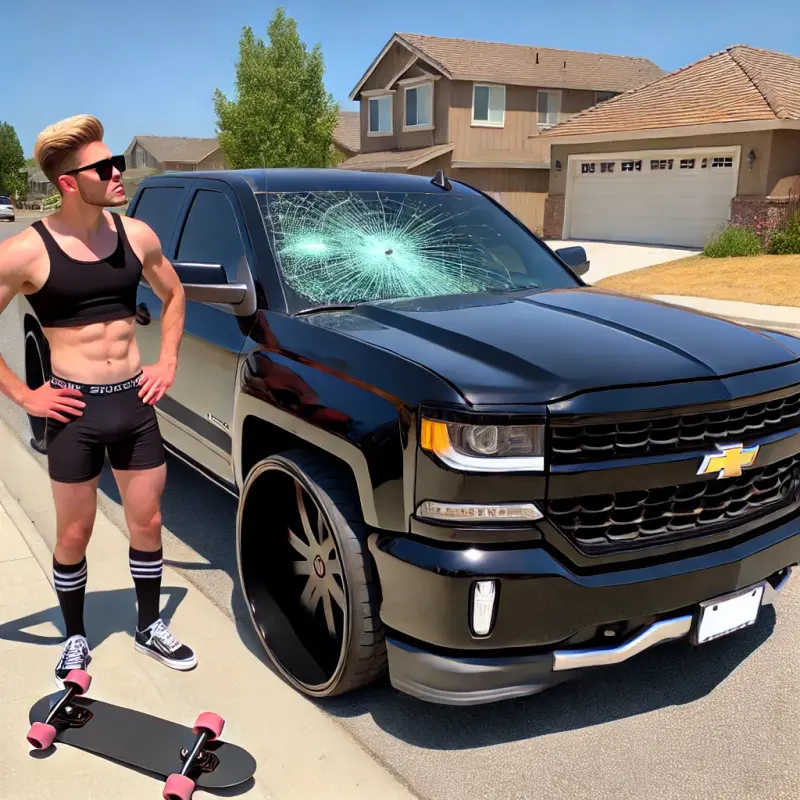
“Cheap windshield replacement Greenville” can be done responsibly when the provider uses the right parts and includes calibration. The cheapest number that cuts those corners usually costs more in time and aggravation.
Side windows, back glass, and the rest of the car matter too
ADAS names focus on the windshield because that is where most cameras live, but other glass repairs still touch these systems. Side window replacement Greenville jobs often involve pulling door panels. If a blind spot sensor sits in that door or needs a clear plastic shield, mishandling can change its behavior. Back glass replacement on SUVs can hide antennas and even rear cameras. After any glass work, we scan the vehicle. It takes minutes and ensures nothing got knocked out of spec.
Mobile auto glass Greenville service teams vary. The best arrive with calibration targets, proper lighting, and the inspection mindset of a dealership technician. They are not just glass installers, they are system restorers. Ask if they can perform both static and dynamic procedures. Ask what scan tools they use and how they document the calibration. A printed or digital report gives you and your insurer proof that the work was completed and the system passed.
What owners can do to help the process
You do not need to become an engineer. A few simple steps make a real difference.
Keep the cargo load similar to typical use on the calibration day. If you carry heavy tools daily, leave them in. The camera learns the car’s stance as it will be driven. If you only load up for trips, calibrate in the normal light state. Clean the windshield regularly with a glass cleaner that leaves no film, especially in the dotted frit area near the camera. During a South Carolina pollen wave, that haze matters. After a windshield replacement, avoid slamming doors hard during the first day. The urethane cures fast, but jolts can flex the bond.
If lane assist feels “off” after a repair, trust your senses and come back. Do not disable the system and live with it. A quick scan and road check can save you miles of irritation.
Real‑world examples from the Upstate
A contractor in Greer came in with a pickup that had a large crack across the camera’s field. He needed fast turnover. We sourced the correct heated glass, installed it in the morning, allowed proper cure time, ran a static setup in the early afternoon, then a dynamic pass on I‑385. He left before school traffic with a complete calibration report. A week later, he texted about a faint buzz in the mirror area. We found a clip not fully seated, corrected it, and verified the camera held calibration. Small follow‑throughs like that prevent cascade problems.
A family in Travelers Rest needed side and back glass after a break‑in. No front camera work was planned. After the repair, the driver noticed the blind spot warning lagged. Our scan showed a door control module lost its learned position and a radar had a misalignment flag. We re‑initialized the affected systems and realigned the rear radar by millimeters. The fix restored confidence, and it reinforced an important point: every piece of the safety net depends on its neighbors.
A rideshare driver called for mobile windshield repair Greenville service for a chip near the camera cutout. We declined a resin repair because the distortion landed right in the camera’s critical zone. He opted for a full replacement through insurance. We scheduled a Saturday morning slot, used static targets in his apartment’s level garage, then a quick loop on I‑85 before brunch traffic. He was back on the road with no warning lights and a policy‑approved invoice in his inbox.
The bottom line for Greenville drivers
Modern glass work is part optics, part electronics, and part geometry. When you hear “ADAS calibration windshield Greenville,” think of it as resetting your car’s eyesight after a prescription change. The right glass, the right setup, and the right road test turn a nervous system into a calm, predictable assistant.
If you are shopping providers, listen for specifics. Do they verify part numbers by VIN? Do they explain whether your car needs static, dynamic, or both? Can they accommodate mobile calibration or recommend the shop bay for better results? Do they provide a calibration report? Generic assurances are not enough. Details mean the team has done this many times and knows where the snags hide.
For residents across the Upstate, from Mauldin to Simpsonville to downtown Greenville, the process is straightforward when handled with care. Whether you need auto glass replacement Greenville coverage after a storm tosses a branch or a quick windshield repair to stop a chip from crawling, the path is the same: protect the optics, respect the calibration, and verify behavior on the road you actually drive. The payoff is measured in stress you do not feel and a steering wheel that behaves like it should, mile after mile.